It's time to start truly understanding children's behaviours.
Led by science. Rooted in connection. Built for today’s services.
Children don’t start with behaviour, they start with their bodies.
Across schools, social care and local authorities, professionals are supporting children whose nervous systems are under constant pressure. We’re seeing more overwhelm, more shutdown, more big emotional responses and fewer moments where traditional behaviour systems seem to help.
Families are exhausted.
Staff are stretched.
And services are carrying the weight of it all.
Behaviour doesn't change until the nervous system does.
We help services understand what children’s bodies are telling us, so adults know how to
respond calmly, confidently and consistently, without escalating situations or burning themselves
out.
If your service wants calmer days, safer relationships and approaches that actually make sense
in real life, you’re in the right place.
InnerMe helps schools and children’s services understand behaviour through the body and nervous system: not rewards, punishments or blame.
We give professionals a shared, science-backed framework so they can:
● Understand why behaviour is happening
● Respond in ways that build safety and trust
● Support children who are overwhelmed or hard to reach
● Reduce crisis, confusion and burnout
InnerMe supports children, families and the staff working alongside them.
Working With Services
Making sense of behaviour by understanding the body first.
The world children are growing up in has changed and their nervous systems are carrying the impact.
When stress, sensory overload or emotional pressure builds up inside the body, behaviour
becomes the only way a child can communicate. What we see on the outside is often the very
last part of the story.
InnerMe helps teams understand:
● What the child’s body is experiencing
● Why the behaviour is happening
● How adults can help in a way that actually works
This approach is practical, evidence-based and designed for real settings; classrooms, home
visits, meetings, corridors and crisis moments.
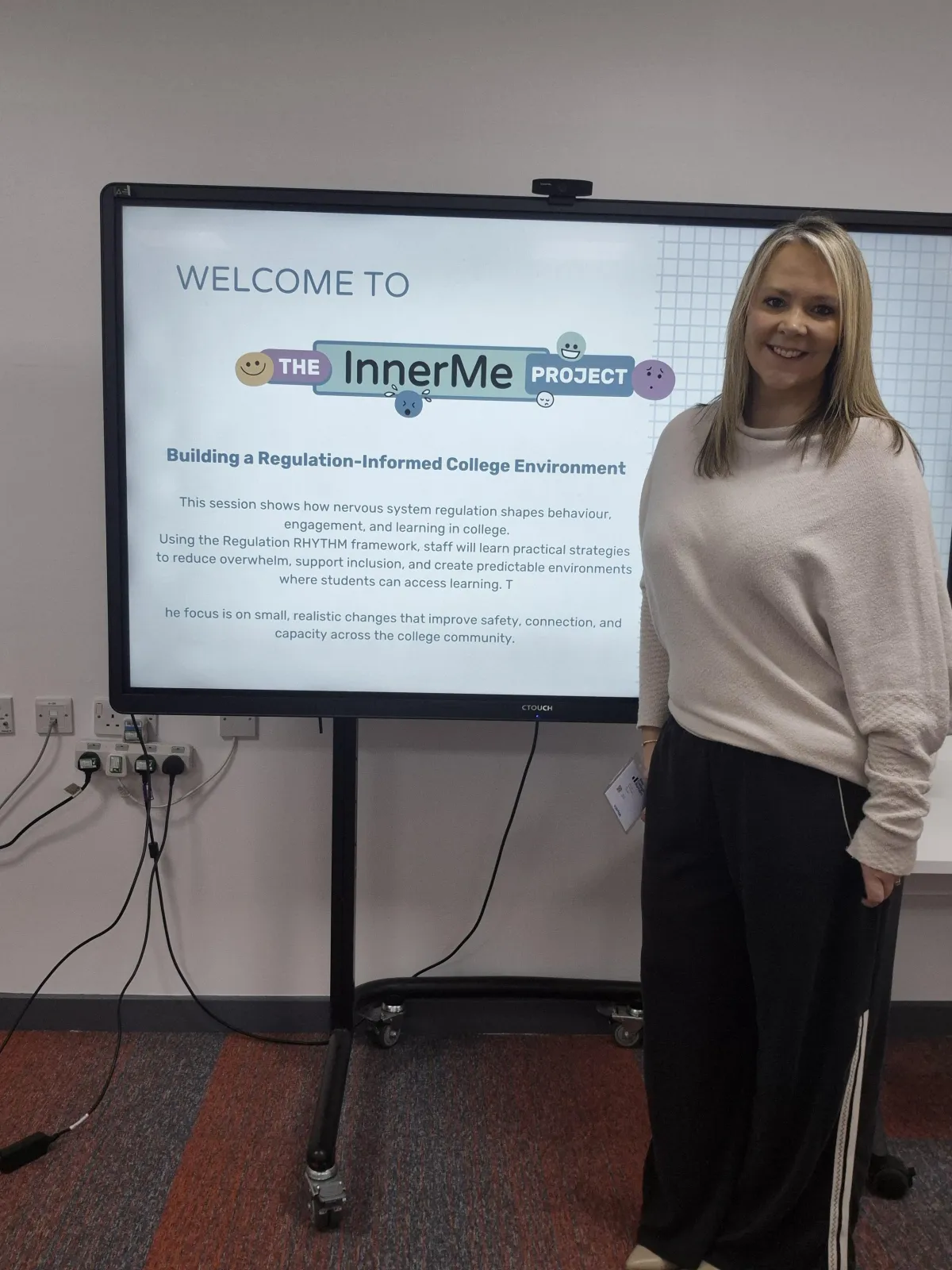
Who InnerMe Is For
InnerMe is designed for services working with children and families where things feel increasingly complex.
We work alongside:
● Schools – mainstream, SEND and alternative provision
● Social care teams – family support, safeguarding and early help
● Local authorities – SEND, inclusion, early years and commissioning
● Charities and third-sector organisations supporting children and families
InnerMe is particularly relevant when services are supporting children who are:
● overwhelmed, anxious or burnt out
● shutting down, masking or avoiding
● showing big emotional or behavioural responses
● impacted by trauma, instability or unmet sensory needs
● described as “hard to reach”
And just as importantly, InnerMe is for the professionals supporting them, staff who care deeply, but are feeling the emotional toll of constant dysregulation, crisis management and responsibility.
InnerMe Approach is for you if:
● Behaviour is escalating in your service despite existing systems.
● Staff confidence is dropping and they are feeling stuck and frustrated.
● Your families feel stuck in repeated cycles of crisis.
● Children cope in one environment and fall apart in another.
● Everything feels more reactive than it used to and you're not sure how to change it.
InnerMe doesn’t add more pressure .... it brings clarity.
An approach that changes practice
Not just understanding ... real, day-to-day change.
InnerMe training supports:
● Schools and SEND teams
● Social care and family support
● Early help and safeguarding
● Local authority services
● Charities and third-sector organisations
Our training helps staff:
● Understand what behaviour is really communicating
● Respond to dysregulation with confidence
● Build emotional and sensory safety
● Prevent crisis rather than constantly reacting
● Reduce burnout for children and adult (parents and staff)
The impact of the InnerMe Project:
Stronger relationships between staff, children and their families.
Increased staff confidence and consistency.
Better staff retention and improved well-being
System-level changes; not quick fixes
Fewer crisis incidents
A credible alternative to failing behavioural models
Reduction in risk, costs and crisis
Stronger leadership confidence
Calmer, more predictable environments
Improved behaviour through safety, not control
InnerMe: The Regulation Rhythm Practice Framework
Behaviour is the last thing you see, the body comes first.
Children communicate through their bodies long before they can explain what they feel.
Professionals are often asked to “manage behaviour”, but behaviour is only the end point of a much deeper process happening inside the nervous system.
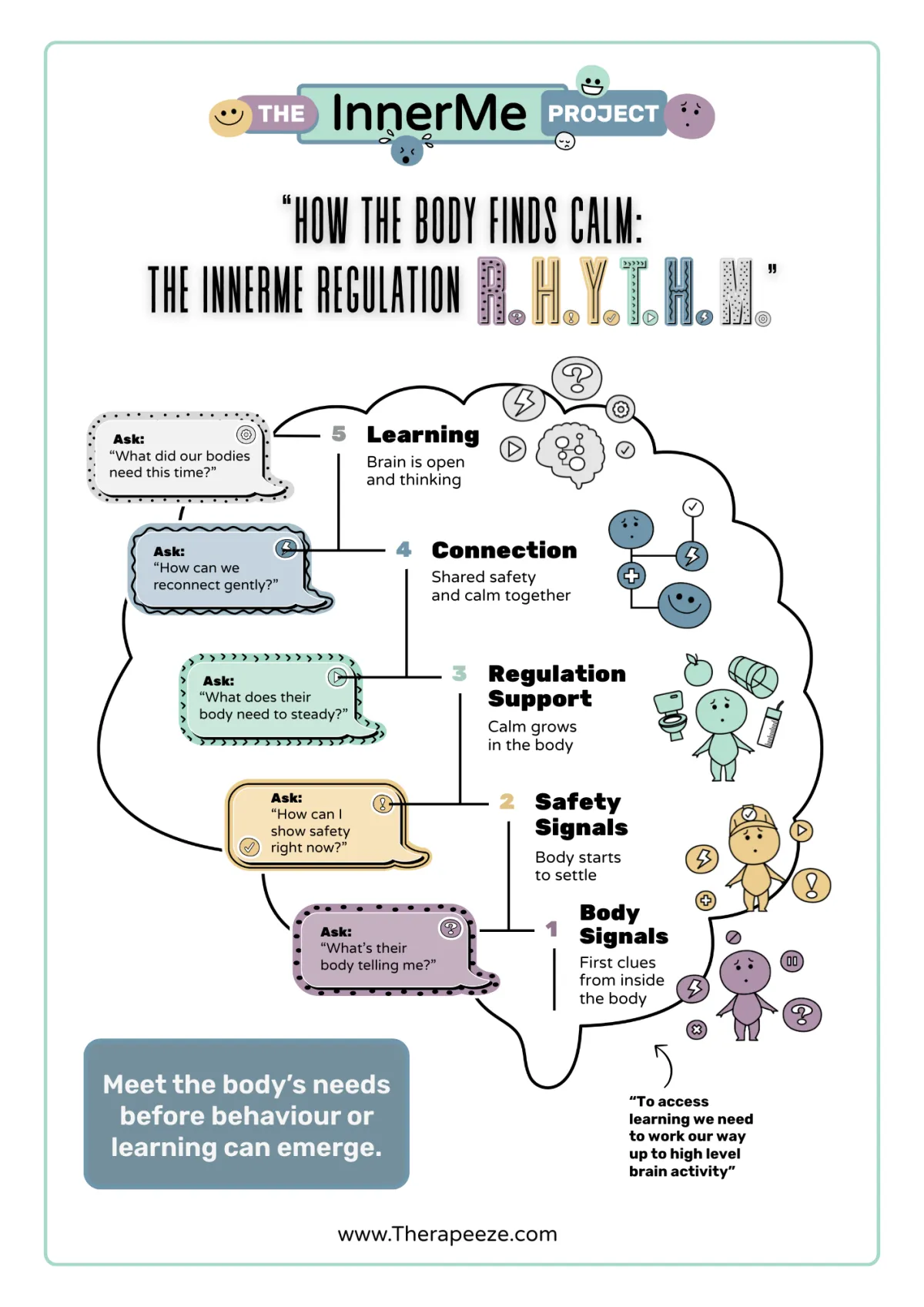
The Regulation RhythmTM framework helps staff understand that process clearly and
consistently:
Body signals → Safety signals → Regulation support → Connection → Learning
This framework gives teams:
a clear way to understand what a child needs in the moment
a shared language across staff and families
a trauma-informed, neuro-affirming approach grounded in sensory science
practical ways to support children who shut down, mask or burn out
a route to reach children who feel “impossible to reach”
When a child feels safe in their body, learning and connection can happen.
When they don’t, no behaviour strategy will ever hold.
.
The science behind the project:
Clear evidence, explained in a way that makes sense.
InnerMe is grounded in modern neuroscience and translated into everyday practice.
Our work draws on:
● Interoception – understanding hunger, pain, emotions and internal signals
● The science of safety – what helps a child settle or sends them into fight, flight, freeze or shutdown
● Sensory processing and occupational science – how movement, environment and sensory needs shape behaviour
● Trauma-informed practice – why stressed bodies react before thinking
● Burnout and overwhelm science – how repeated stress impacts learning, behaviour and wellbeing
We take complex science and make it usable, without clinical jargon
How Services Implement InnerMe:
Flexible pathways. One shared framework. Service-wide Impact
InnerMe Training: Team Training
Immediate practical strategies staff can use the same day.
Regulation-first framework applied to real casework.
Induction & ongoing professional development.
Scalable learning for large teams.
Designed for busy frontline roles.
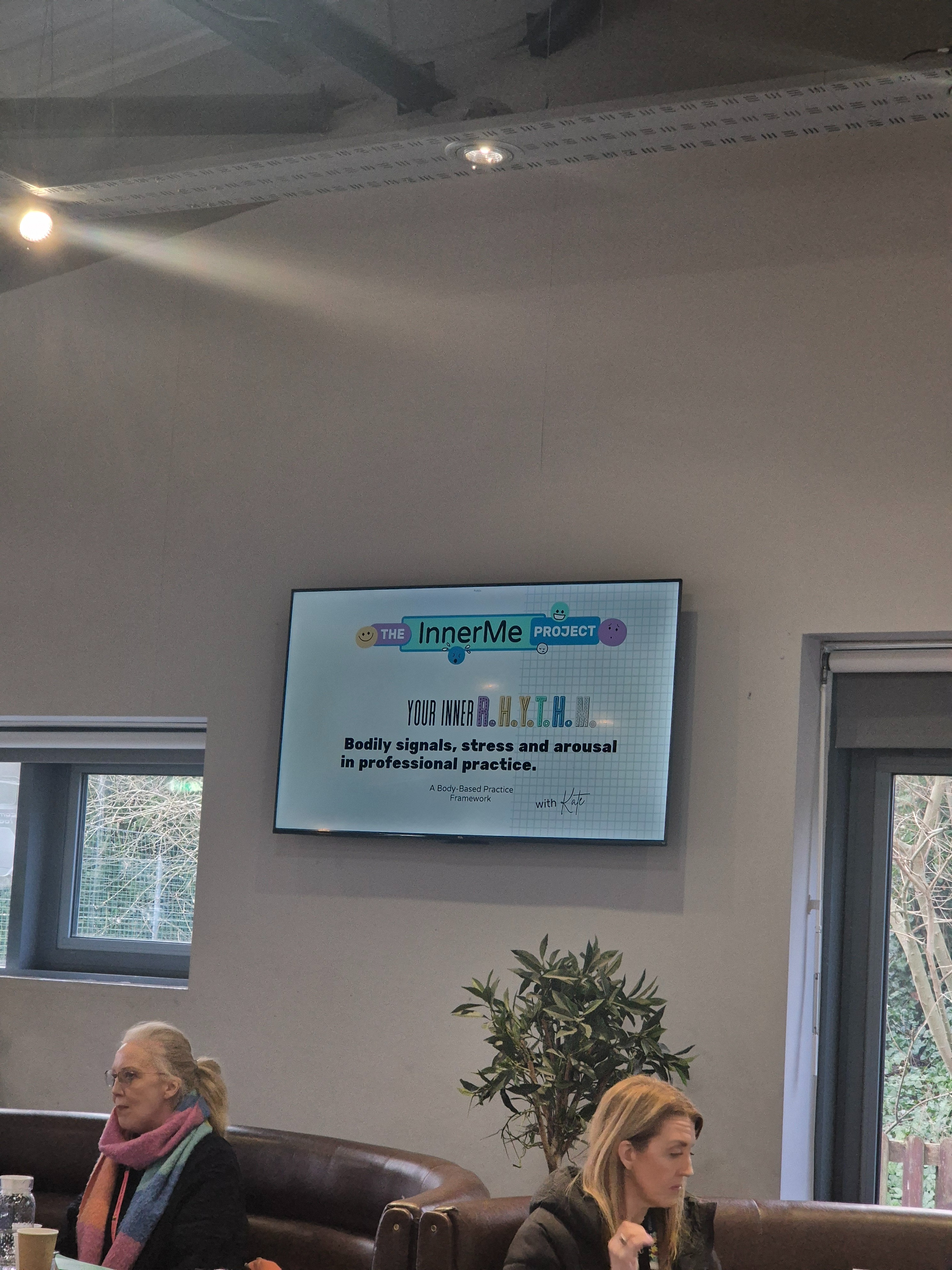
Your Inner Rhythm Workshop
Your Inner Rhythm is a practical neuroscience informed workshop that helps staff understand how the emotional demands of working with children and families affect the body, and how to regulate in real time.
This is not another generic wellbeing session, this workshop gives professionals a clear understanding of nervous system responses and practical sensory strategies they can use during the working day.
Staff leave with language to make sense of stress, tools to protect their regulation under pressure and greater capacity to stay steady in complex situations
Consultancy Support
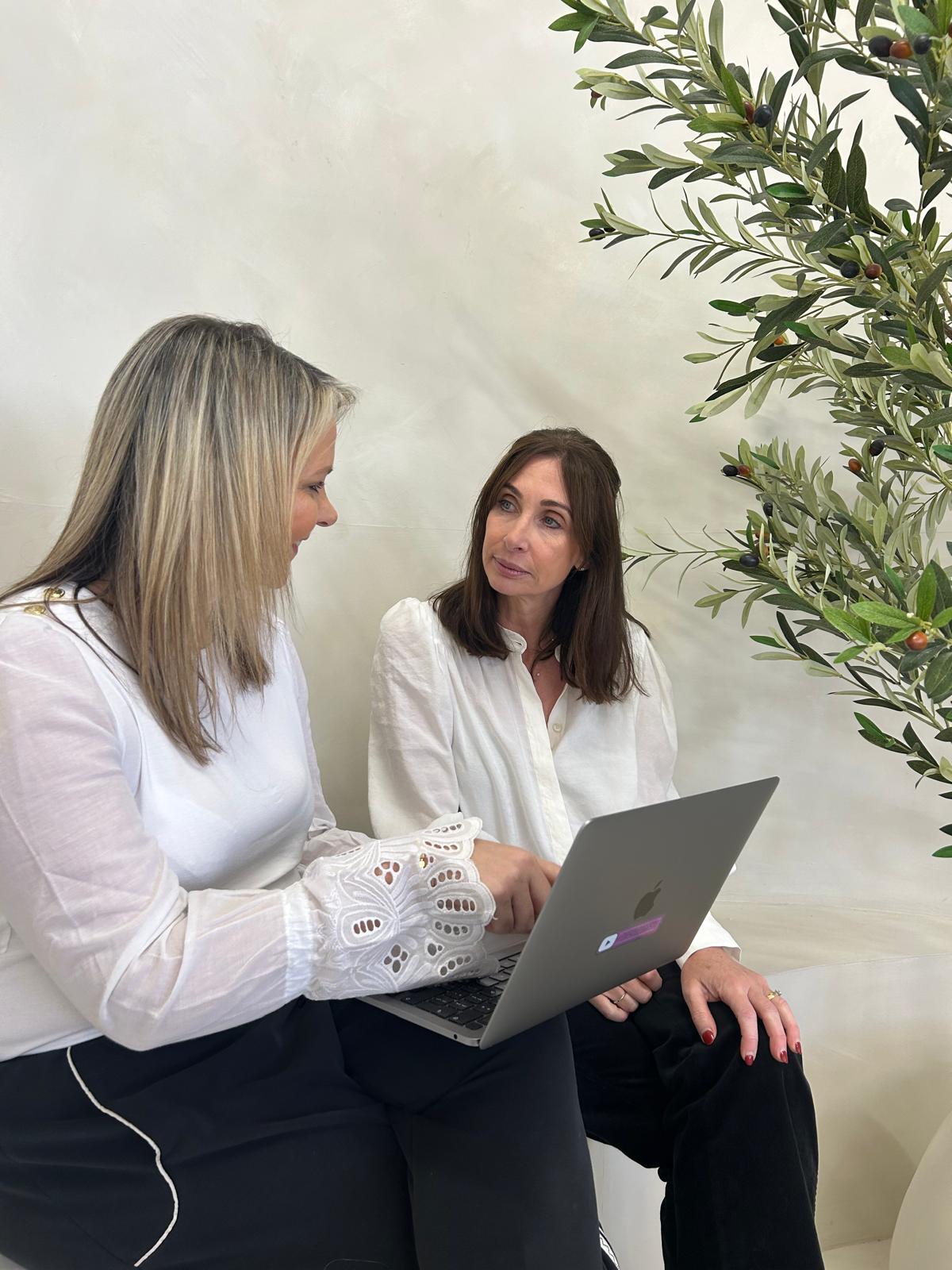
When behaviour feels relentless, families are under pressure and staff are running out of ideas because nothing seems to be working; it's a sign the system needs support, not that people aren't trying hard enough.
InnerMe Consultancy helps schools and services step back from the constant firefighting and understand what behaviour is really communicating through the nervous system. Together we redesign how regulation, safety and emotional support are built into everyday practice.
The result is calmer environments, more confident staff and families who finally feel understood - not blamed. This is practical specialist consultancy that gives teams clarity, direction and a framework that actually works when complexity is high.
On Demand Learning & Practice Tools
A structured professional training programme that teaches you/staff to interpret behaviour through the nervous system and respond with regulation- first practice.
On-demand self-paced training (8 step by step modules)
Immediate strategies to apply in real practice.
Downloadable resources for frontline work.
Reflection activities that strengthen professional judgement.
Flexible access around unpredictable workloads.
InnerMe Licensing – Launching Summer 2026
For services ready for whole-system change.
Licensing supports services to embed InnerMe consistently across teams and departments.
It includes:
● Full Regulation RhythmTM training pathways
● Leadership and implementation support
● Shared language and practice across services
● Alignment with SEND, safeguarding and trauma-informed expectations
● Long-term, sustainable change

Ready to Connect
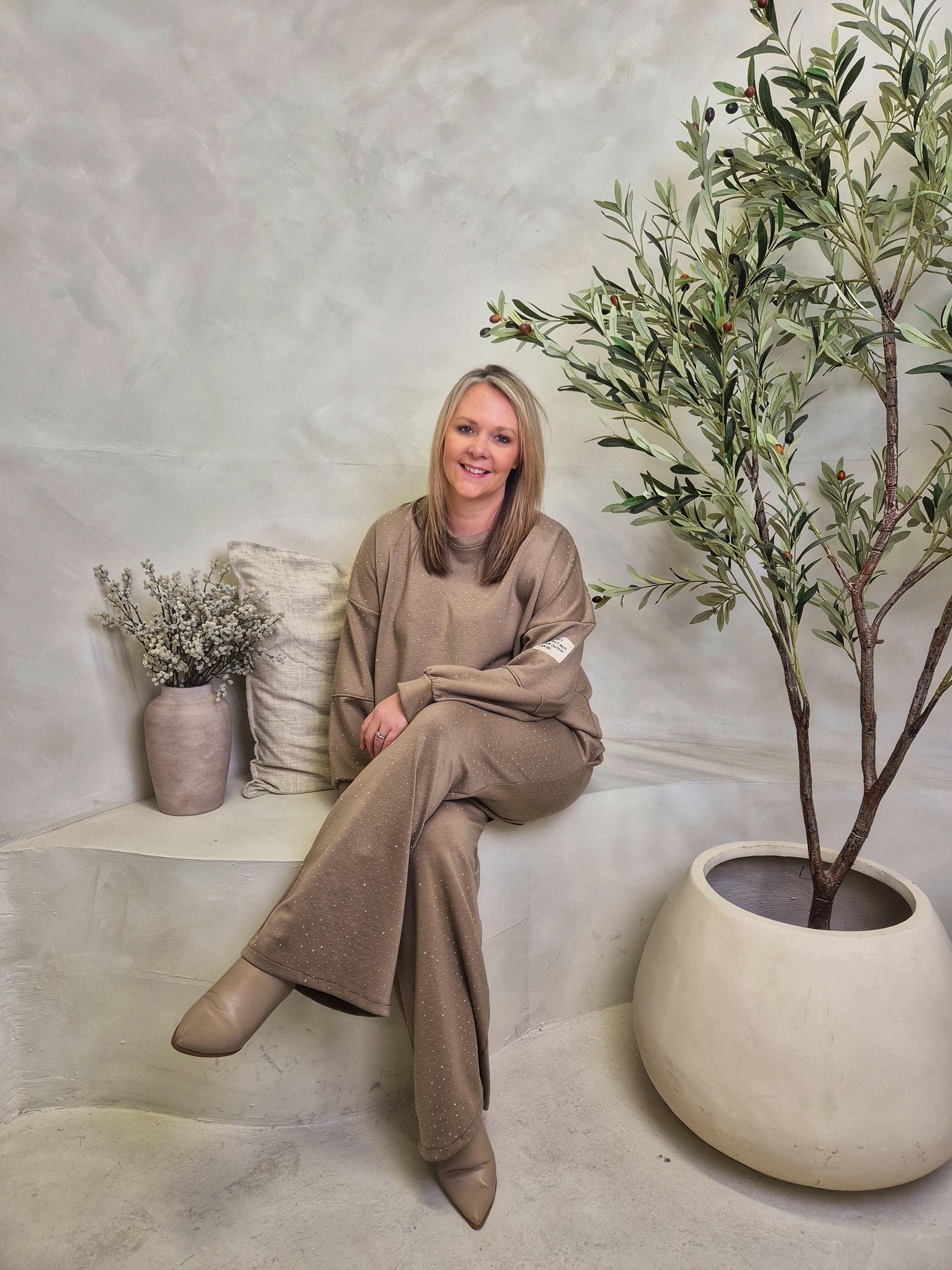
Professional collaboration with Kate
Whether you’re exploring training, CPD, staff wellbeing support or preparing for licensing in2026, we’ll help you find the right pathway for your service.
Sensory Strategy Call
Have you ever thought, I wish I could just ask a therapist about that? Or perhaps you feel stuck in a rut and just need some guidance to strategically move your family life forward?
Create Sensory Action plan for your child in your home with one call.
Sensory strategy calls are offered to parents, carers and educators who are seeking advice to support a child’s functioning in the home or classroom. It offers a great opportunity to ask questions, problem solve and receive therapeutic strategies which you may have difficulty or no access to.
Consult with Kate 1:1 and ask about:
Sensory Processing Differences
Dysregulated behaviours in home/classroom.
Developing interoception awareness
Accommodations for the classroom.
Family regulation techniques.
Practical sensory lifestyle strategies for the home/classroom.
Each call is £85 for 45 minutes.